
Spring Wildlife & Wildlife Photography in Vermont
Spring in Vermont is one of my favorite times of the year for wildlife photography—from frogs, salamanders, and snakes to warblers, owls, and even mammals like beavers, moose, and the very adorable white-tailed deer fawns. However, unlike many other places, spring in Vermont is shorter than usual due to a season called “mud season” between winter and spring and typically occurs during March. Ultimately, this means spring in Vermont is effectively only two months: April and May.
April is best for amphibians, reptiles, and owls, while May is best for warblers and mammals.
April (Amphibians, Reptiles, and Owls)
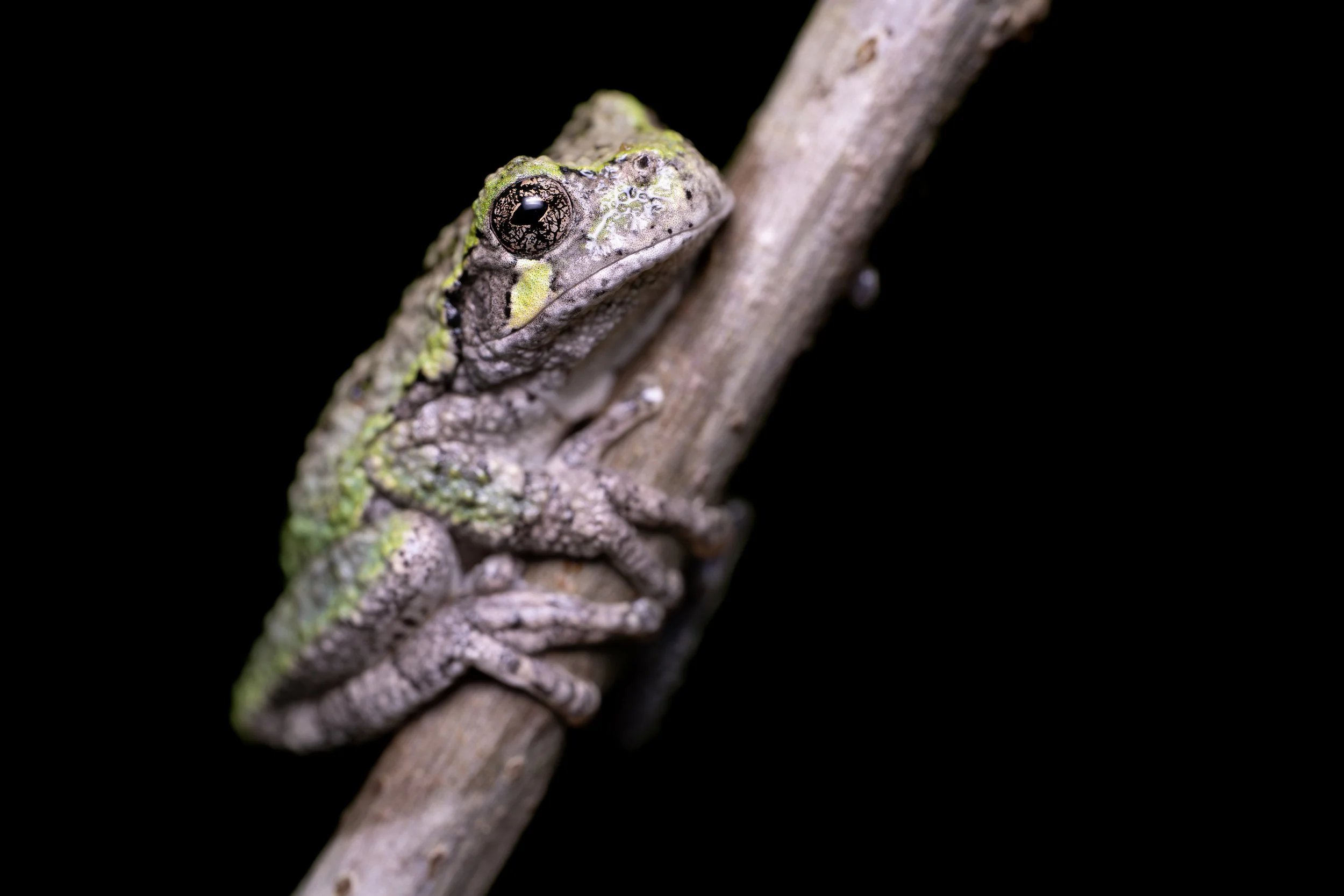
Important note: In this section I’ll be referring to the terms herps and herping. Herps refers to amphibians and reptiles, and herping refers to the act of looking for, and sometimes helping, amphibians and reptiles cross roads.
April normally brings a colorless landscape, which can make wildlife photography difficult. However, there are still wonderful opportunities for incredible images. My favorite thing to photograph during April is herps!
When the weather warms up, it begins to thaw the ground, which “wakes up” our herps that migrated underground to brumate* (the equivalent of hibernation for mammals) during the winter. Migrations occur on the first nights of spring when temperatures are above 40°F and it is raining (the harder the rain, the better). This can occur anytime from late March into late April, and the first nights are often called “the big nights.”
These migrations occur throughout Vermont. I have found the most success by driving near a lake or pond with nearby forests, preferably with lowland areas as well. If you choose to go herping, it is best done on foot, as many of our herps are small and very difficult to see from a vehicle. While on foot, you will likely be able to hear hundreds of frogs and see many species that only emerge from underground for a short few weeks before returning underground for the rest of the year.
I have incredibly fond memories of these “big nights,” hearing the chorus of spring peepers and spotting incredibly unique species of salamanders that I had never seen before, such as the Spotted Salamander, which is much larger than I had anticipated. Seeing other species such as the Blue-spotted, Two-lined, and Four-toed salamanders were highlights during these nights.
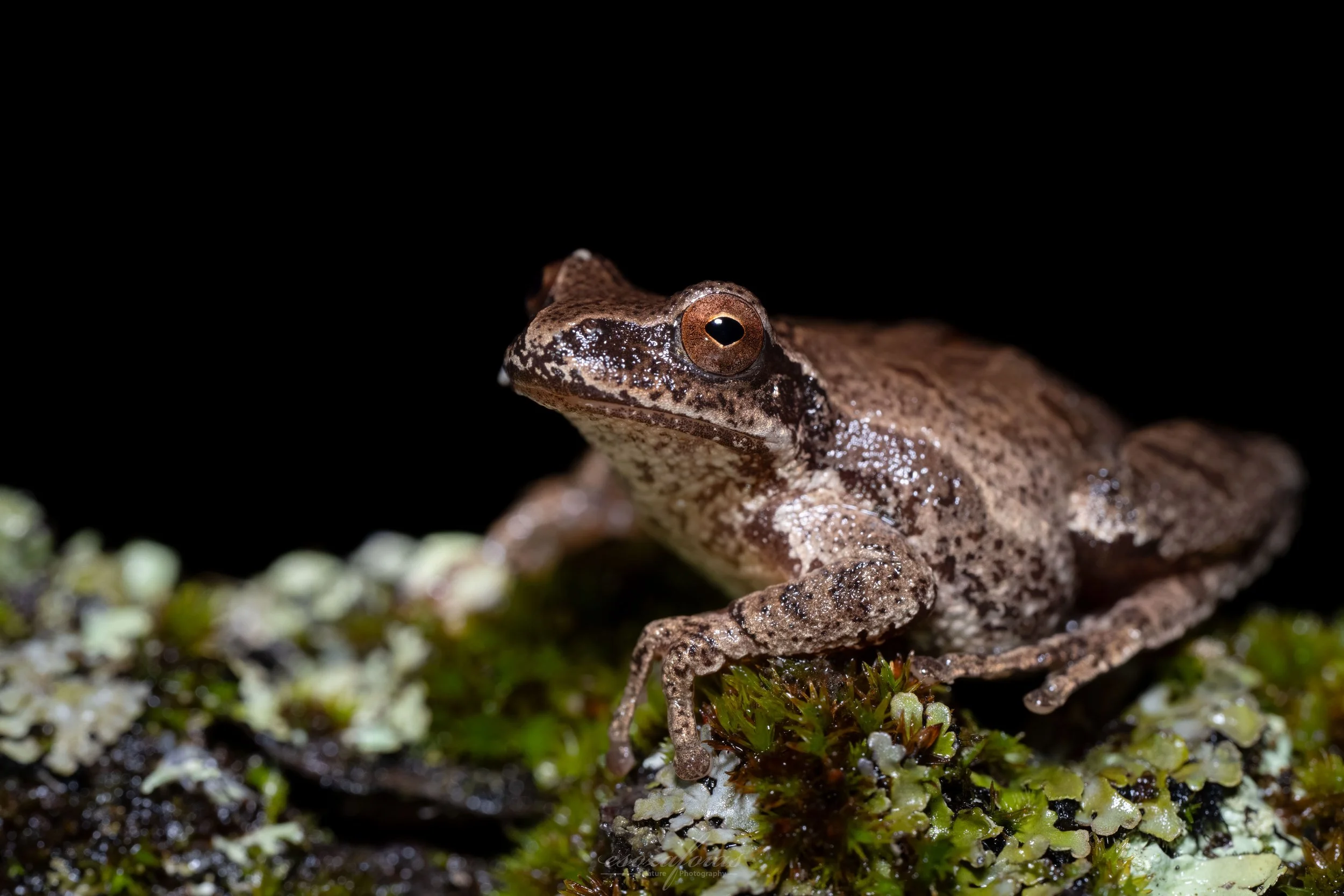
Vermont has 20 species of amphibians, which makes it too long for me to give specific locations. Additionally, many species are endangered or at risk, so sharing locations would be unethical. However, their habitats are public knowledge, so to make your life easier here is a list of our amphibians from the Vermont Reptile and Amphibian Atlas:
Eastern Newt: Deciduous forests, ponds, and marshes.
Eastern Red-backed Salamander: Found under logs and rocks in forests.
Spotted Salamander: Forested areas.
Blue-spotted & Jefferson Salamanders: Deciduous/mixed forests.
Northern Dusky Salamander: Streams and brooks.
Northern Two-lined Salamander: Rocky streams and brooks.
Spring Salamander: Clear, cold, rocky streams.
Four-toed Salamander: Mossy edges of swamps and vernal pools.
Mudpuppy: Large lakes and rivers.
Wood Frog: Forests, ponds, and marshes.
Spring Peeper: Forests and brushy areas.
American Bullfrog: Permanent water bodies, lakes, and ponds.
Green Frog: Almost any shallow water habitat.
Gray Treefrog: Woodlands and shrubby areas near water.
Northern Leopard Frog: Wet meadows, fields, and marshes.
Pickerel Frog: Streams, ponds, and cold marshes.
Mink Frog: Primarily in the Northeast Kingdom, in ponds and slow rivers.
American Toad: Generalist found in gardens, forests, and fields.
Fowler's Toad: Primarily in the southern Connecticut River Valley in sandy areas, lakeshores, and open woods.
Many of these species can be difficult to differentiate, and I urge you to look up some characteristics to look for before heading out. That being said, part of the fun is being outside and simply seeing animals that you never knew existed. One benefit of living in Vermont is that we only have one venomous snake species, the Timber Rattlesnake, which is restricted to a small area around Rutland. Still, it’s always best to avoid handling wildlife unless it is necessary to safely move an animal off the road.
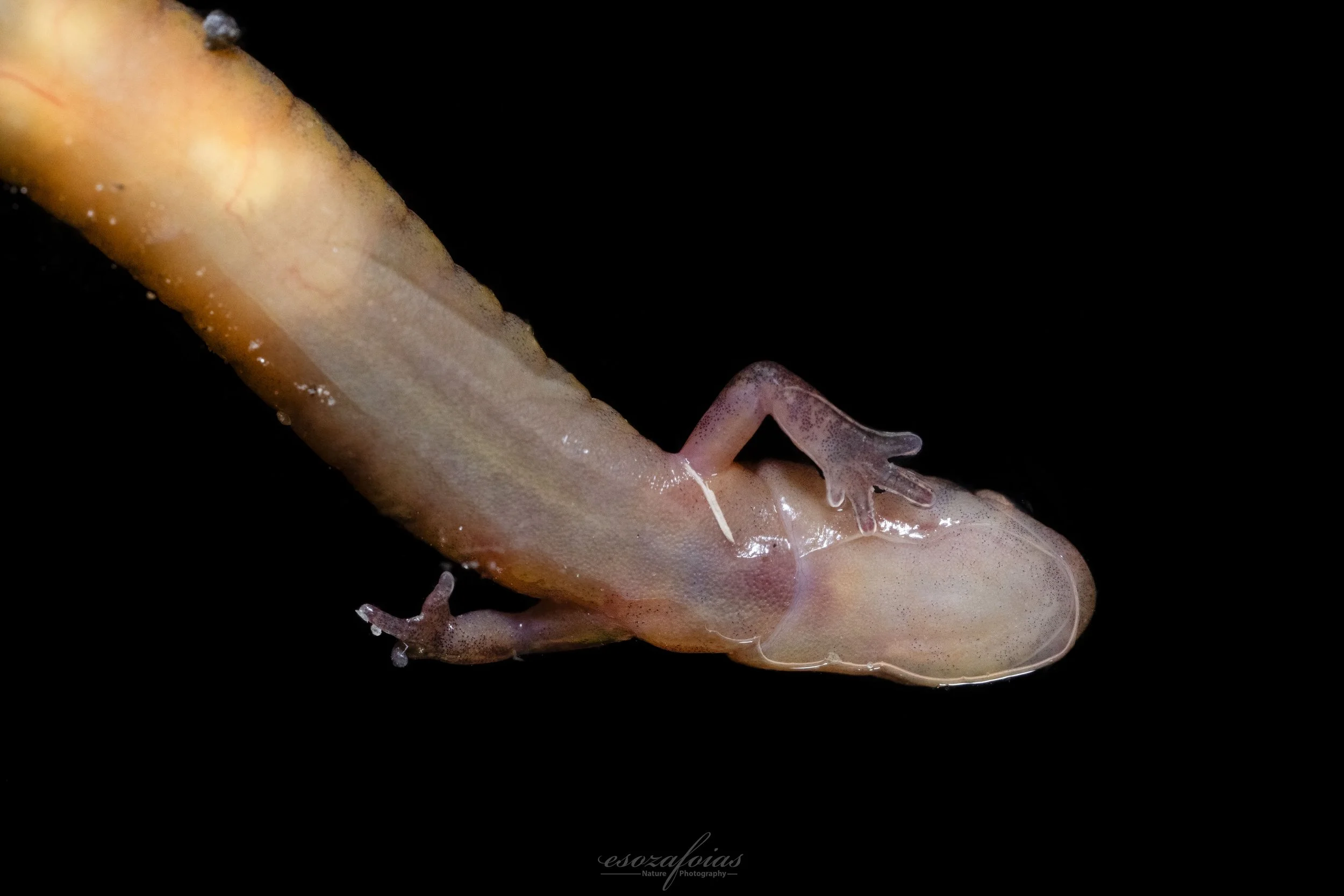
VERY IMPORTANT SIDE NOTE: Handle every animal for as little time as possible, and if you are helping move them, move them to the side of the road in the direction they were heading. Otherwise, they will try to cross the road again later and may get run over by a vehicle.
Another fantastic opportunity during the first half of spring is looking for owls, specifically Barred Owls and Great Horned Owls. At the end of winter and the beginning of spring, owls are in their mating and nesting stage of the year and are therefore more active. With our landscape still largely void of leaves, spotting these elusive birds becomes much easier (although they are still very difficult to find).
During this time, when owls are more active and easier to spot, it is a great opportunity to observe them and learn their behavior. This can set you up for success later in the season when the leaves grow in and visibility becomes more difficult. I have found great success simply by waiting nearby within sight of owls, allowing them to get used to my presence and gradually decreasing my distance over several weeks. However, please learn the signs that indicate when owls are uncomfortable and always respect their space.
May (Warblers, Beavers, Moose, Black Bears, and Deer)
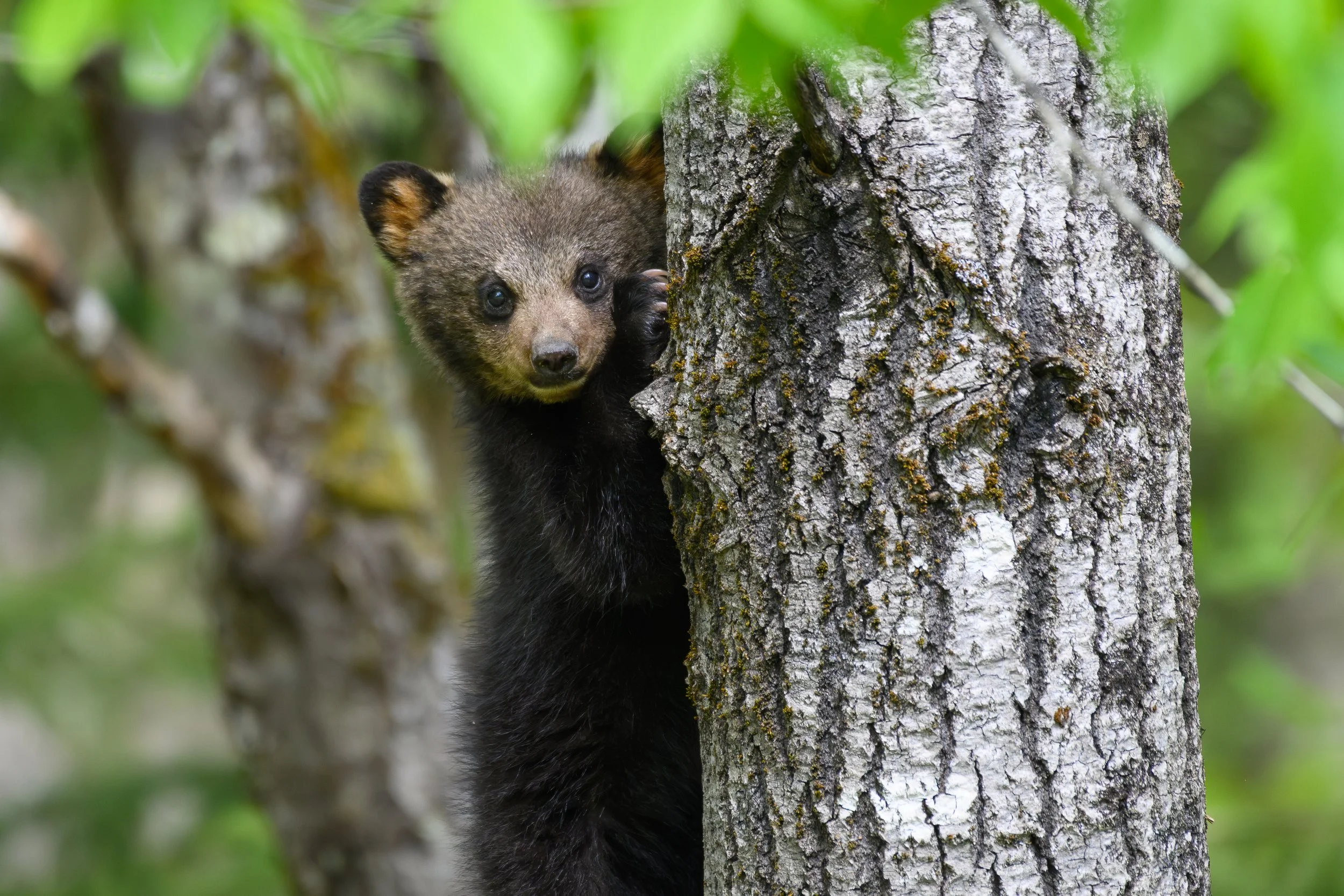
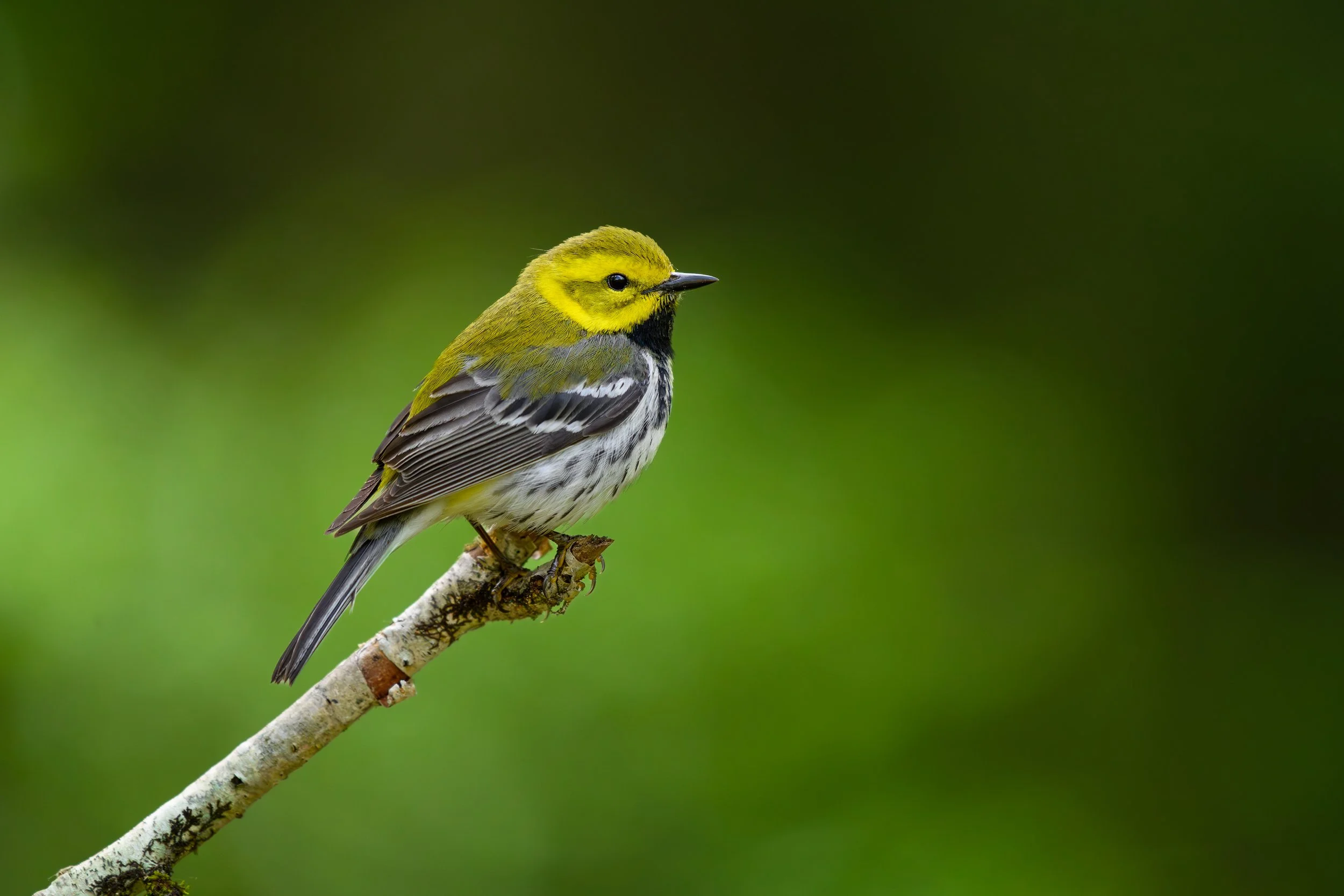
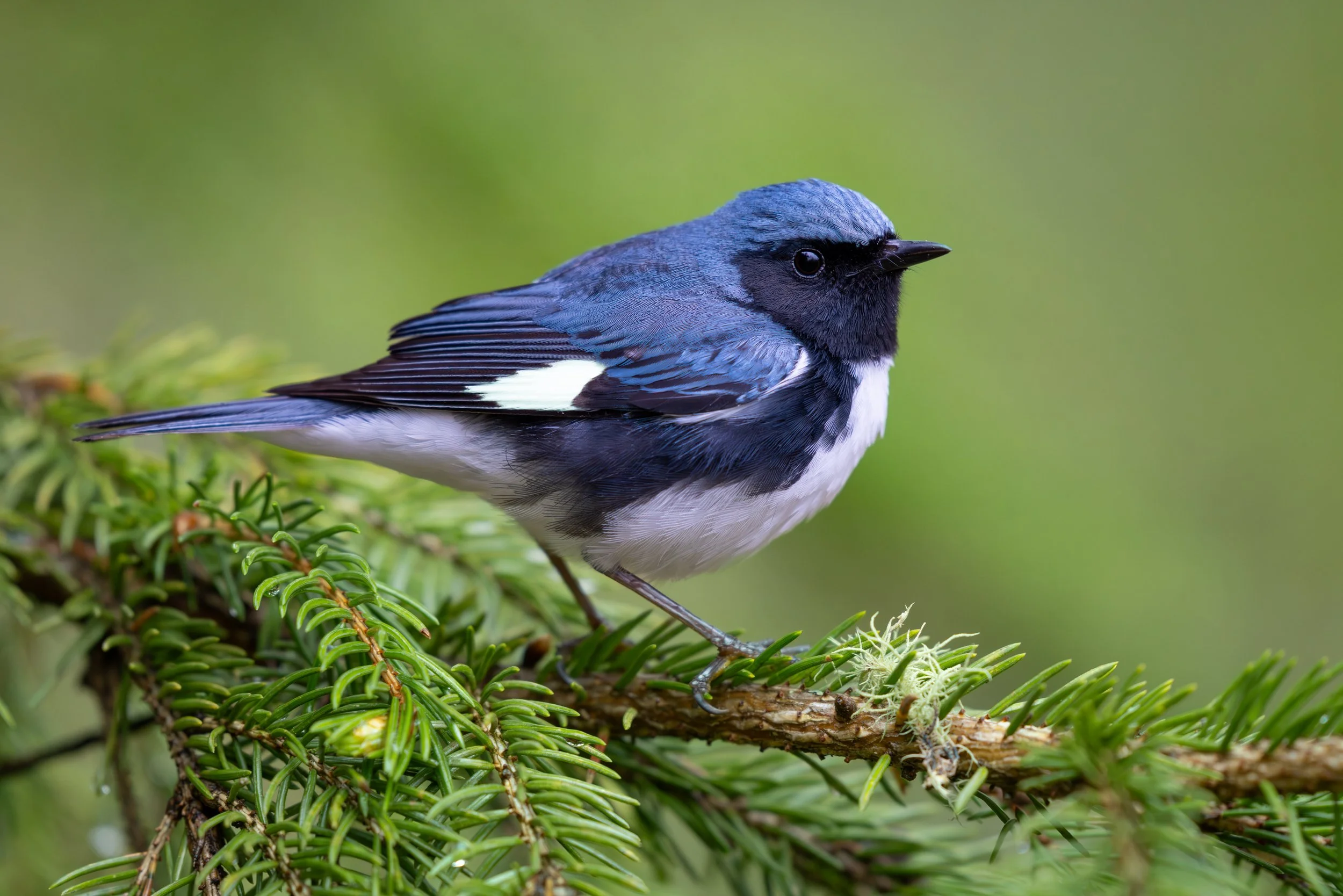
May tends to be when plants begin to bud, and by the end of May our forests are almost completely green once again. Also during this time, warblers—a group of very colorful and unique birds—return to Vermont forests to mate and nest. In May, warblers are establishing their territories, making them very active. Vermont has a whopping 38 species of warblers that migrate and nest in Vermont, so here is a short list of some of my favorites along with their preferred habitats:
Black-throated Blue Warbler: Interior, mature deciduous or mixed forests with a dense, shrubby understory.
Black-throated Green Warbler: Coniferous and mixed forests, often in hemlock and white pine.
Yellow Warbler: Shrubby, wet, or edge habitats.
Chestnut-sided Warbler: Regenerating forests and shrubby clearings.
Black-and-white Warbler: Maturing hardwood or mixed forests.
Common Yellowthroat: Wet thickets, marshes, and brushy areas.
Ovenbird: Mature deciduous forests.
American Redstart: Moist mixed deciduous forests with a well-developed understory.
Blackpoll Warbler: High-elevation spruce-fir forests.
Magnolia Warbler: Young coniferous forests.
Canada Warbler: Wet shrubby swamps and riparian forests.
Yellow-rumped Warbler: Coniferous and mixed forests.
Nashville Warbler: Brushy second-growth forests.
Golden-winged Warbler: Young shrubby habitats adjacent to forested areas.
Northern Parula: Maturing forests with abundant lichen.
Blackburnian Warbler: Hemlock-mixed forests.
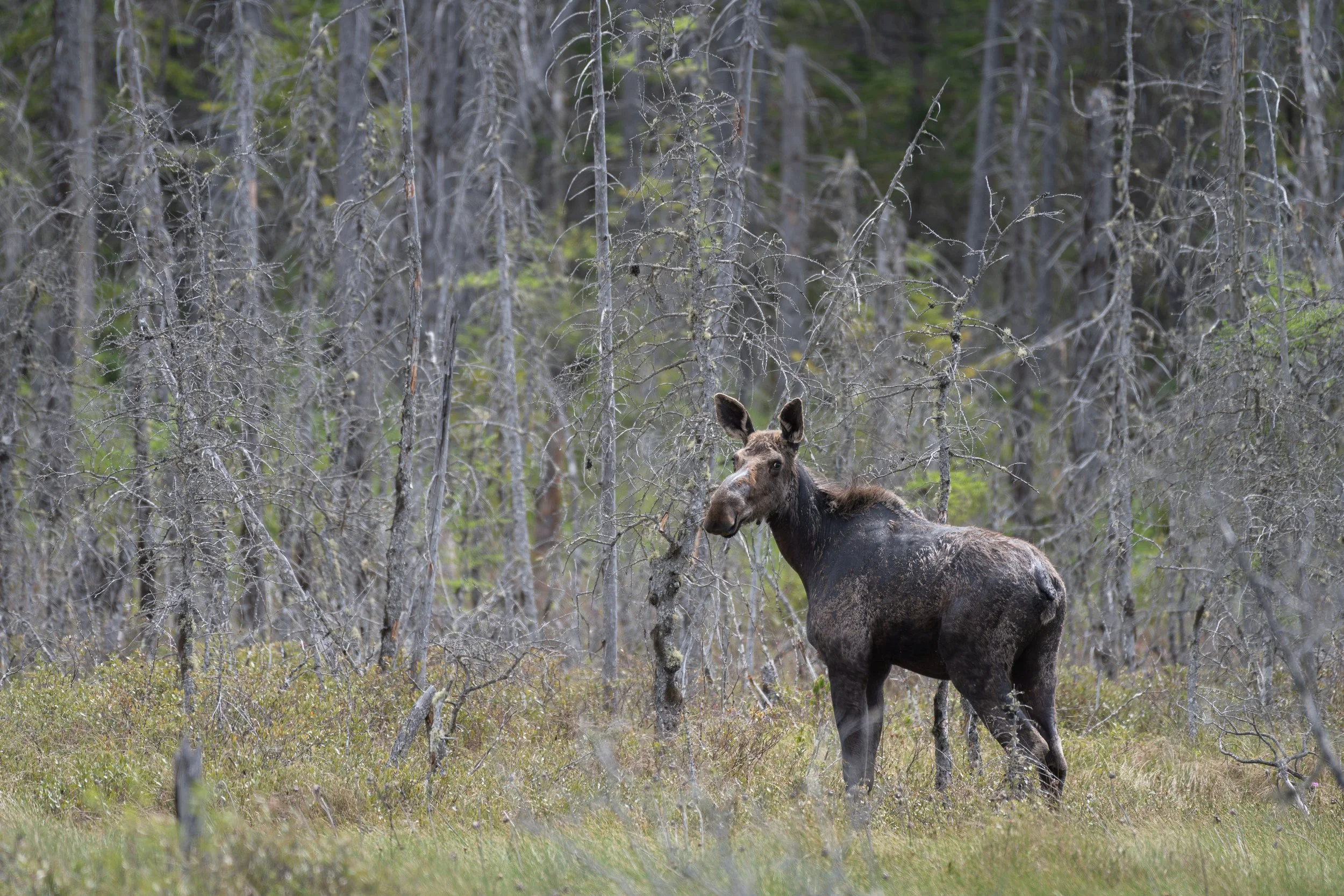
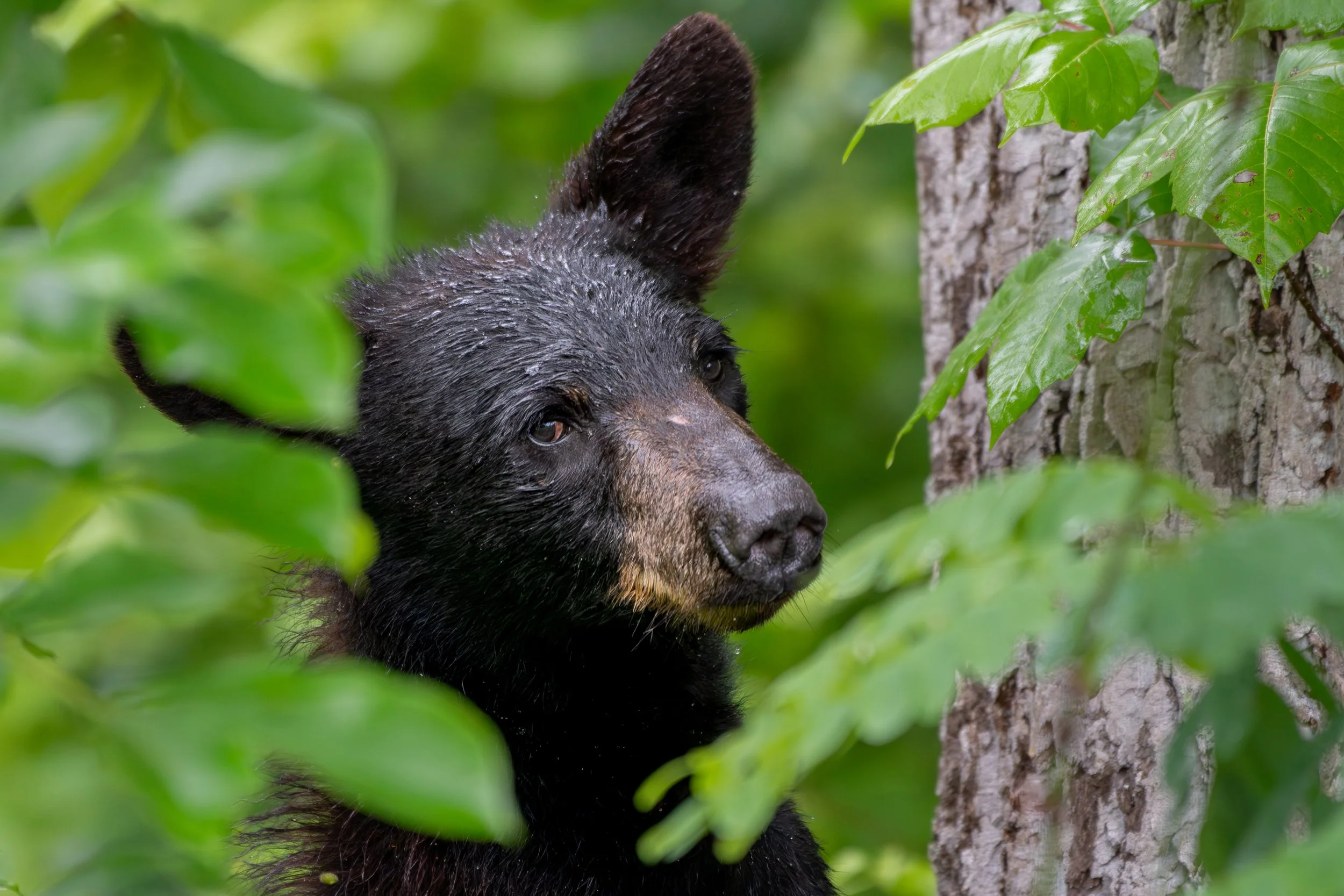
For mammals like American beavers, moose, American black bears, and white-tailed deer, I will send you to the Northeast Kingdom. Unlike searching for herps, looking for mammals tends to have the most success by driving around on backroads. Hiking trails can also be successful, but wildlife has adapted over time to cars and often sees them as less of a threat than a person. Therefore, you can use your car as a hide when you eventually come across wildlife.
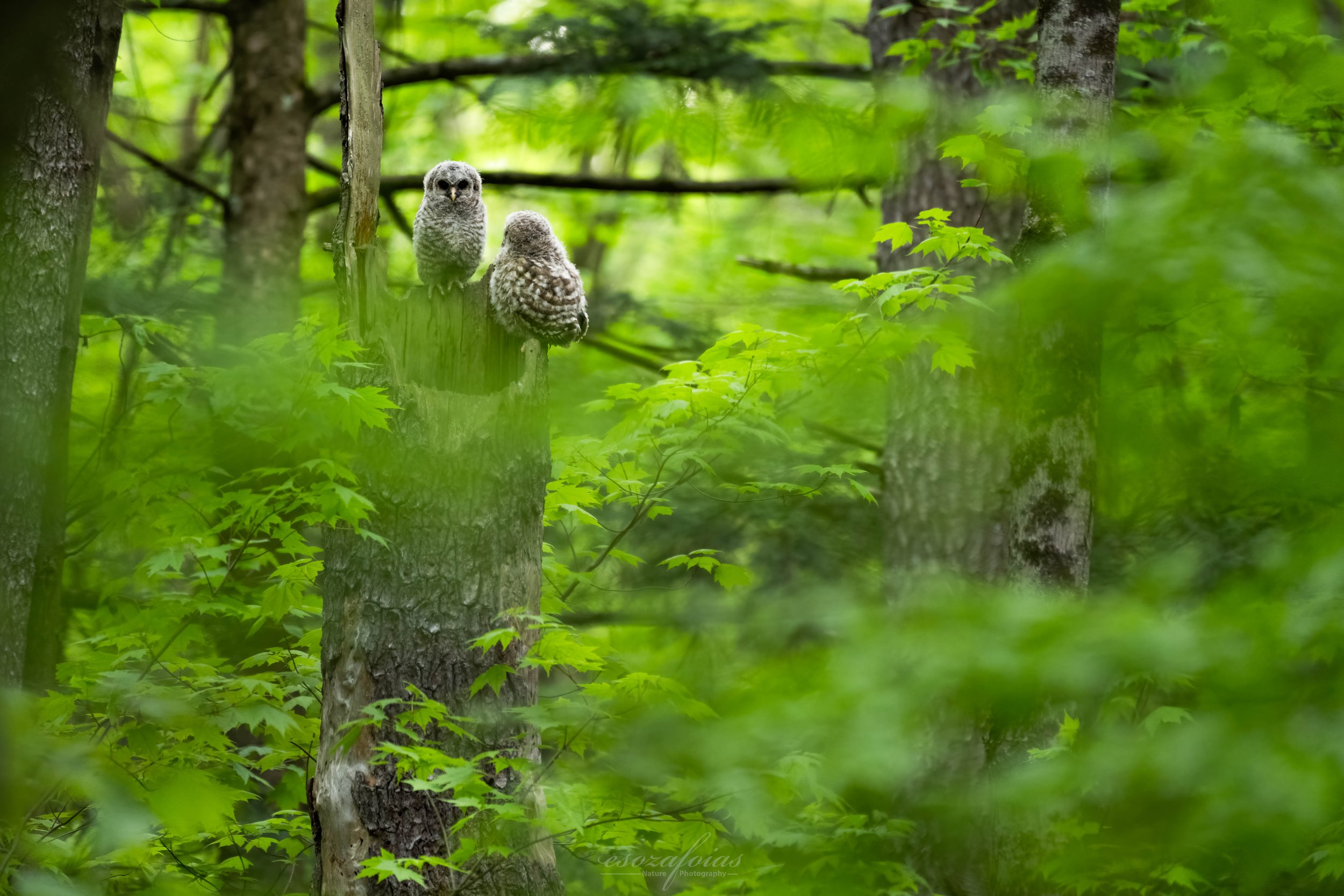
By late May, owl chicks have grown significantly, and if you had the privilege of watching a nest, the young birds may begin to fledge and leave the nest. By now they will often be looking out of their tree cavities and will soon jump out to learn how to climb and fly. Give the owls plenty of space, as they can be extremely territorial and protective of their chicks and are not afraid to let you know.
Although Vermont’s spring may be short, it offers an incredible window of opportunity for wildlife photography. In just a couple of months the landscape transforms from quiet, muddy forests to a vibrant ecosystem full of migrating amphibians, calling owls, colorful warblers, and active mammals. Whether you are out on a rainy April night listening to the chorus of Spring Peeper frogs and searching for Spotted Salamander migrations, or driving backroads in May hoping to glimpse a Moose or a family of American Beaver, there is always something exciting to discover. The key is simply getting outside and paying attention to the natural world around you. If you do, Vermont’s short spring can become one of the most rewarding seasons of the year for observing and photographing wildlife.
